From Hearts in Hand, Across the World
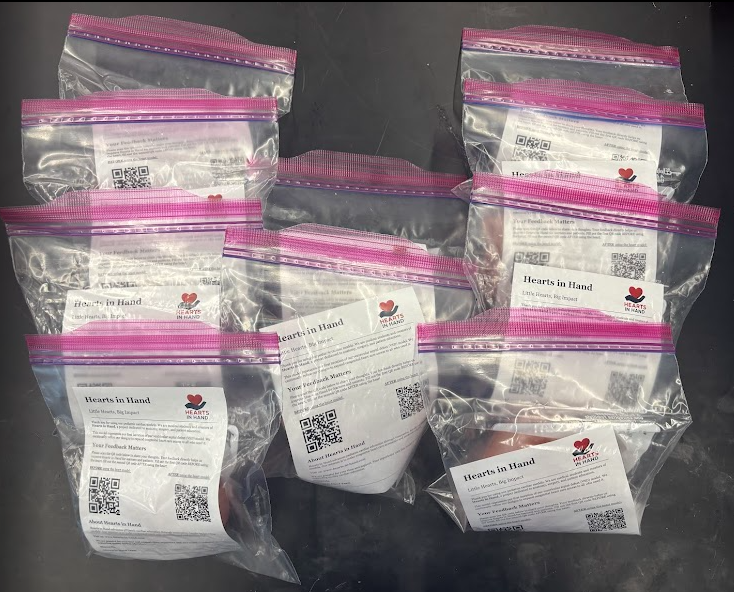
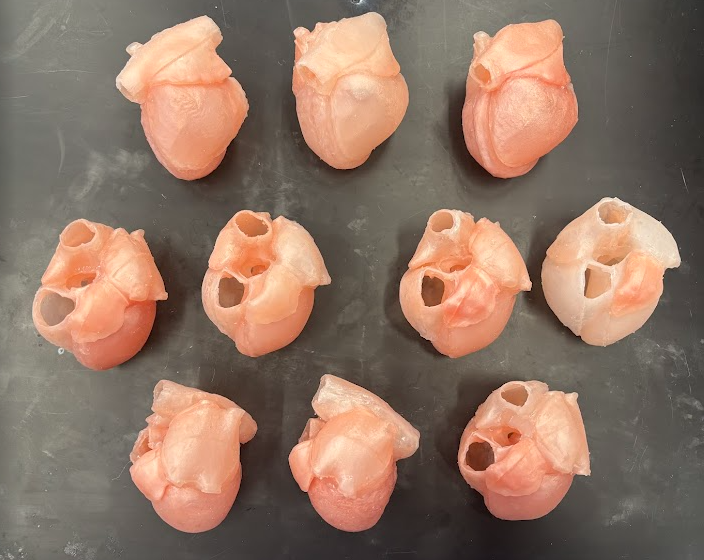
The first shipment was small in size but enormous in meaning. As the inaugural batch of 10 ventricular septal defect hearts left EnMed, it carried far more than carefully crafted models. It carried a vision of shared learning, global collaboration, and a belief that understanding anatomy can change lives.
These hearts are headed to Nigeria, where Heart to Hand has partnered with Dr. Uvie Onakpoya, a pediatric cardiothoracic surgeon at the Obafemi Awolowo University. For Dr. Onakpoya, the VSD models are not just teaching aids, they are bridges between theory and practice. He is using them to guide residents through structured training exercises on ventricular septal defect closure, allowing trainees to physically explore cardiac anatomy, visualize septal defects in three dimensions, and rehearse surgical decision making in a safe, hands-on environment.
The impact of these hearts extends beyond resident education. Dr. Onakpoya has also integrated the models into the informed consent process for families of children with VSDs. By placing a heart in a parent’s hands, he can clearly demonstrate where the defect lies, explain how it affects blood flow, and walk families through the planned surgical repair. What was once an overwhelming explanation filled with unfamiliar terminology becomes a clear, human conversation. Parents are able to ask better questions, feel more informed, and approach surgery with greater trust and reassurance.
This first batch of hearts represents more than a shipment, it marks the beginning of a growing global partnership. From Heart to Hand, these models are crossing borders to support surgeons, train the next generation of physicians, and empower families during some of their most vulnerable moments. It is a reminder that when education and empathy travel together, the reach of a single heart can extend far beyond the hands that hold it.
