VSD Models Support Congenital Heart Training in Ilorin, Nigeria
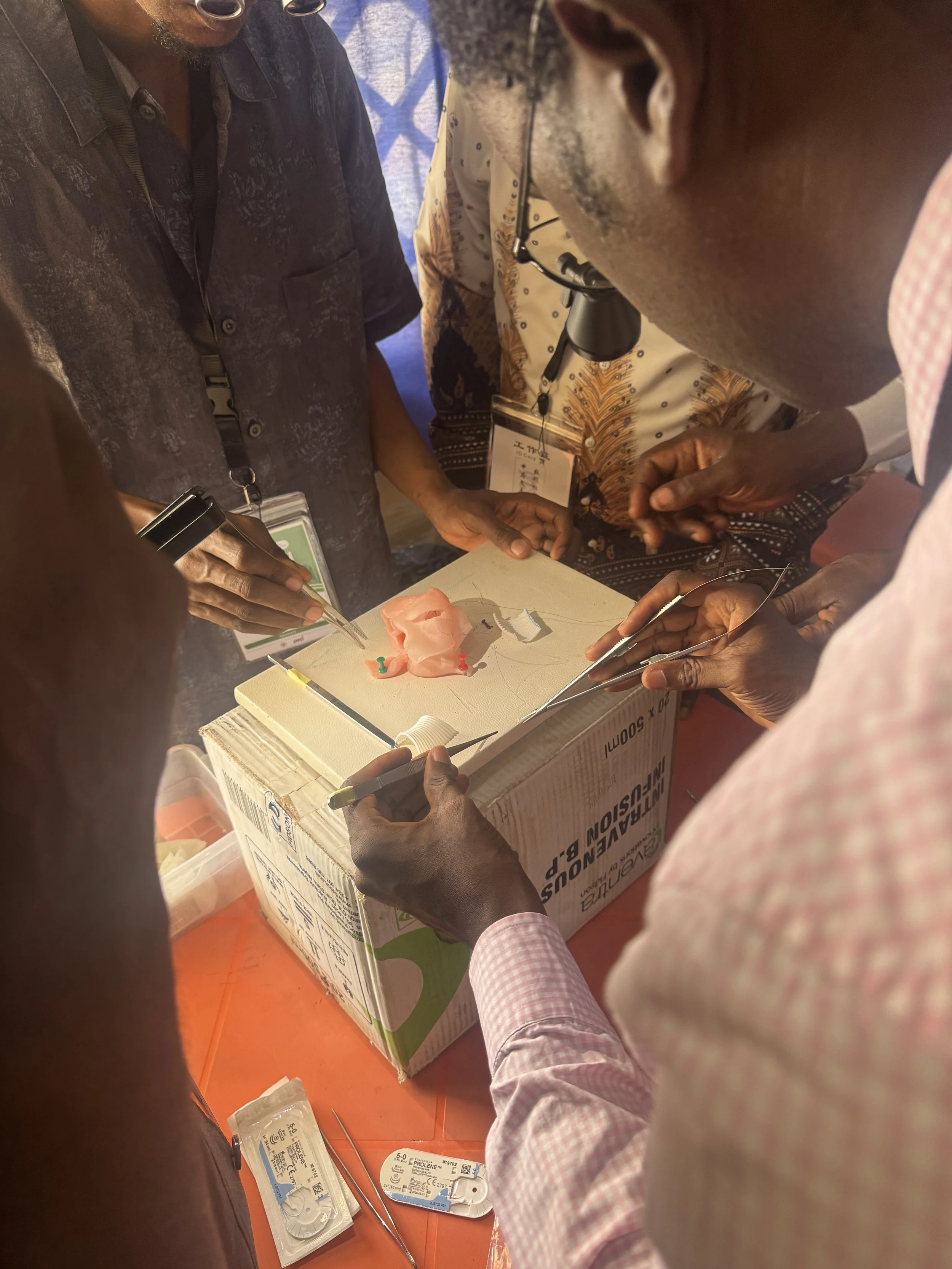
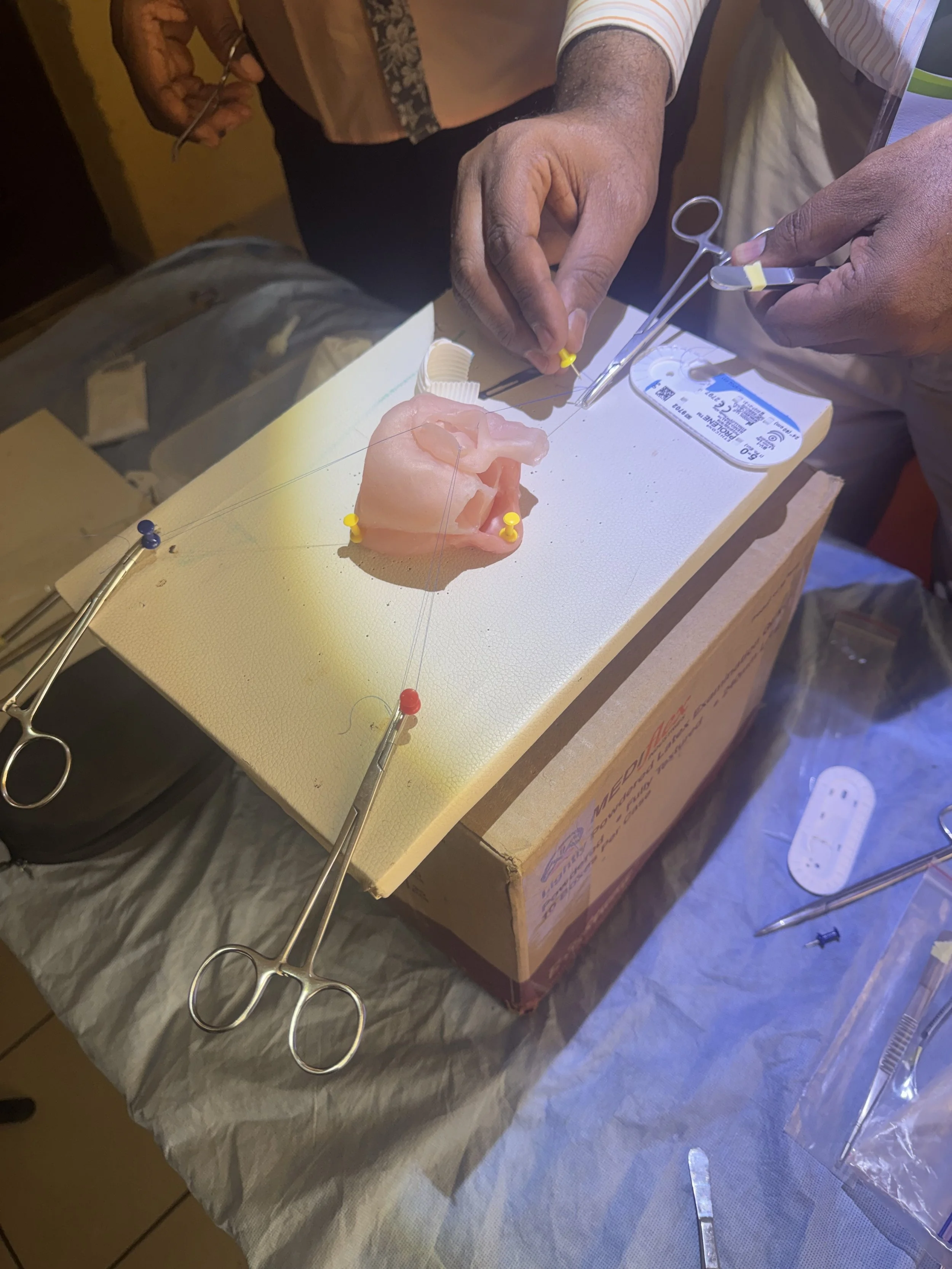
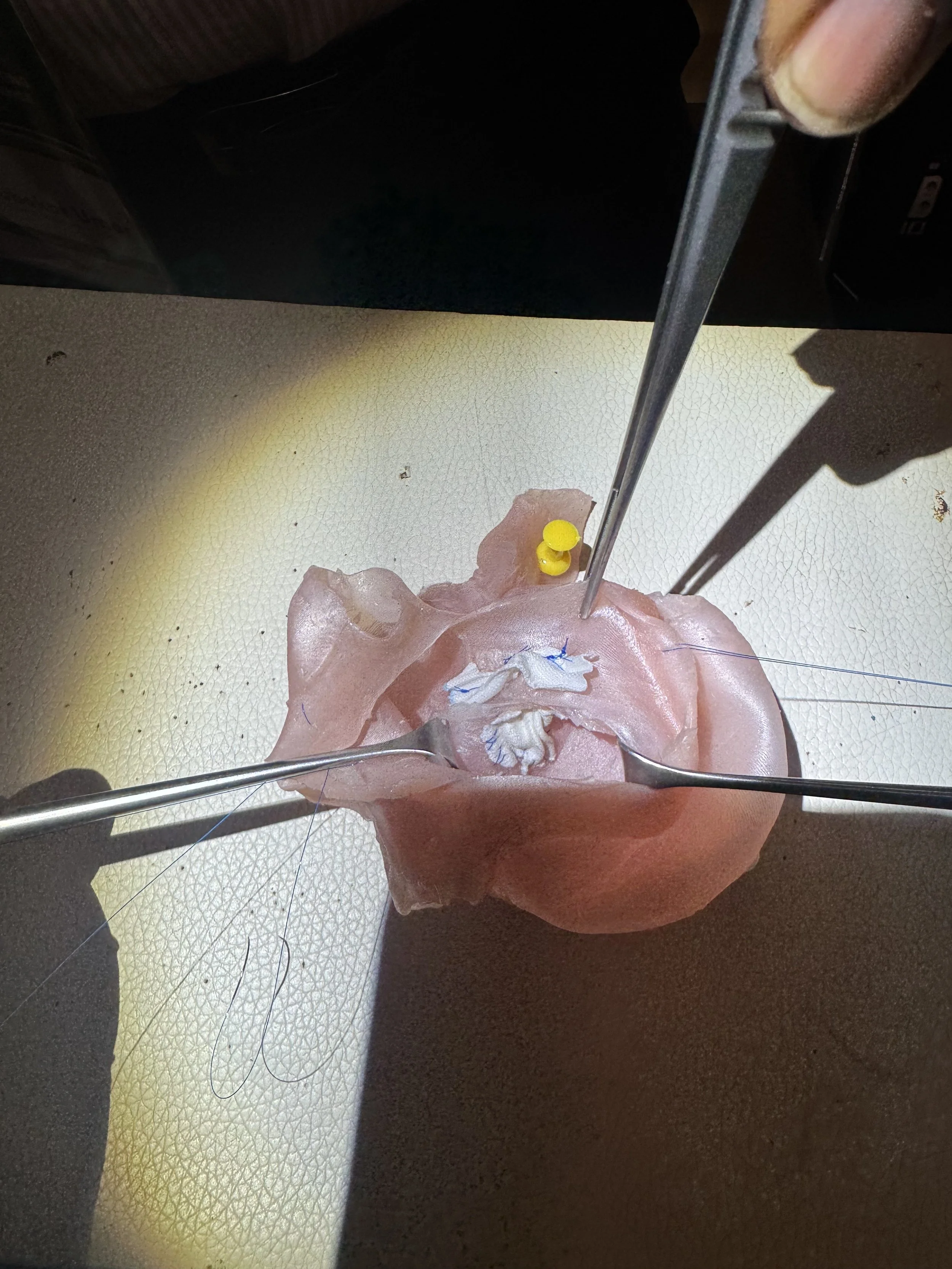
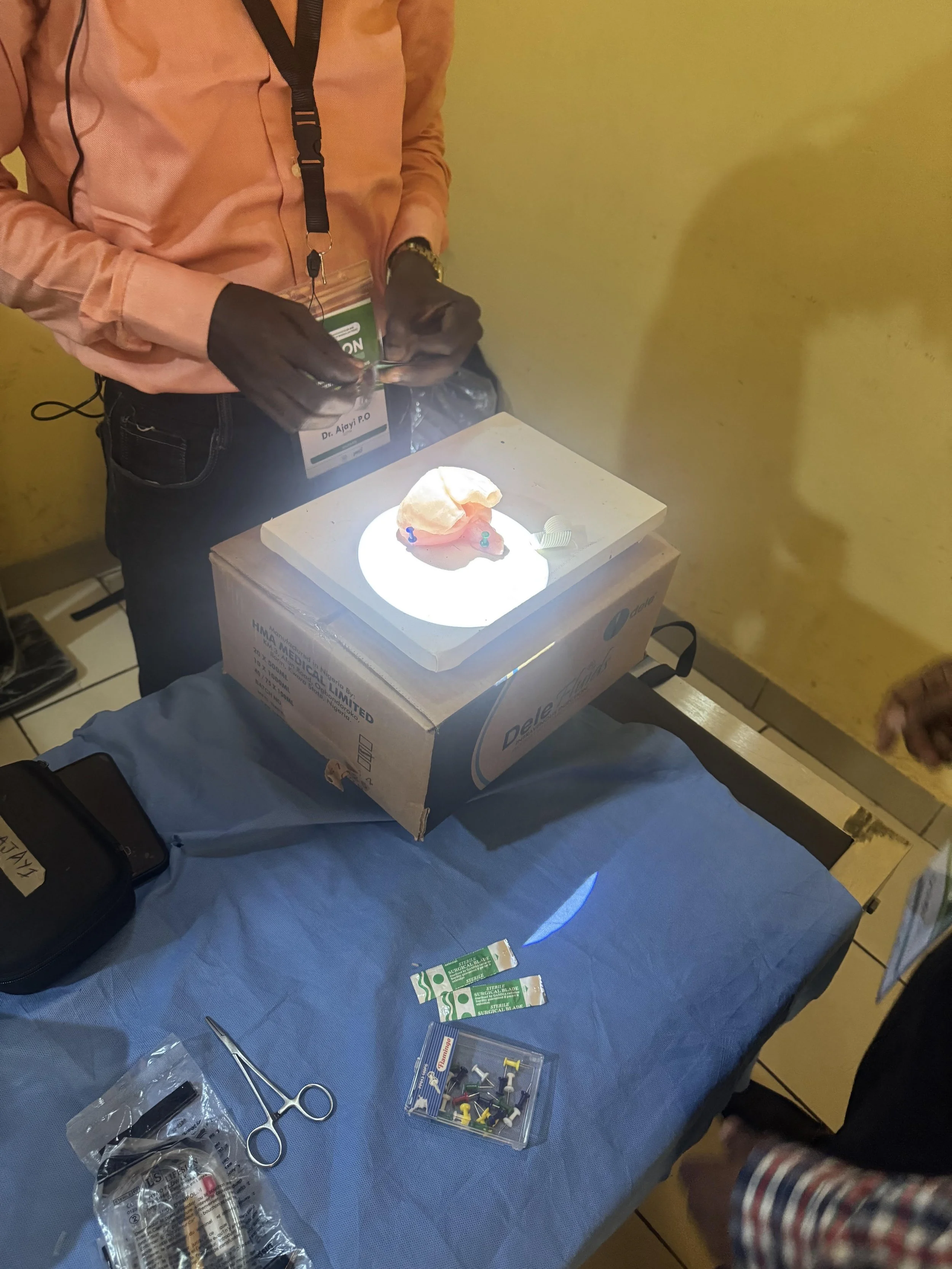
Earlier this year, Hearts in Hand delivered ten ventricular septal defect (VSD) heart models to Ilorin, Nigeria, where they were incorporated into a resident and fellow training session on congenital heart lesions. The session was led by Dr. Uvie Onakpoya as part of a preconference workshop focused on strengthening congenital cardiac education and clinical understanding.
According to Dr. Uvie, the VSD workshop was a high point of the preconference program. Trainees used the physical models to examine VSD anatomy, understand anatomic variability, and discuss clinical and procedural implications. The ability to handle and closely inspect the models allowed participants to bridge the gap between textbook diagrams and real-world anatomy—an especially important advantage in environments where access to simulation tools and specimen-based teaching may be limited.
For Hearts in Hand, this deployment represents an important milestone. The models were not used as standalone demonstrations, but as integrated teaching tools within an established training framework led by local clinicians. This kind of use reflects the long-term role Hearts in Hand hopes its models will play in supporting medical training, both domestically and internationally.
In addition to the educational impact, the workshop generated valuable feedback from residents, fellows, and instructors. Participants offered detailed suggestions on how the VSD models could be refined for future use, including improvements to durability, anatomical clarity, and features that would further support small-group teaching. This feedback is critical to our iterative design process and will directly inform future versions of the models.
The experience in Ilorin also highlights the importance of collaboration. Working with clinicians like Dr. Uvie Onakpoya ensures that Hearts in Hand develops tools that respond to real clinical and educational needs rather than theoretical ones. As we continue to expand our work, partnerships like this will remain central to improving both the reach and the quality of our educational efforts.
We are grateful to Dr. Onakpoya and the trainees in Ilorin for their engagement, thoughtful input, and commitment to education. This workshop represents a meaningful step forward for Hearts in Hand as we continue refining our models and supporting hands-on learning in congenital heart disease
